
INFORMATIONEN / DETAILS
Kinder und Jugendliche mit besonderen Schwierigkeiten im Erwerb des Lesens, Schreibens und Rechnens gibt es überall.
Wie ist Hilfe in anderen Ländern organisiert und in Bildungssysteme eingebunden, welche Qualifizierung haben die eingesetzten Fachkräfte und welche theoretische Perspektive gibt es auf Lernstörungen?
Wir werfen mit unserem kompakten Fachtag einen Blick in die unterschiedlichen Unterstützungssysteme von fünf europäischen Ländern und greifen insbesondere die Frage auf: Was können wir voneinander lernen?
Der Fachtag findet am 8. Oktober zum internationalen Tag der Dyslexie im kompakten Online-Format statt. Die Moderation und die Fachimpulse finden in englischer Sprache statt. Ein Online-Übersetzungstool ist nutzbar.
—
There are children and young people with special difficulties in acquiring reading, writing and arithmetic everywhere.
How is help organized in other countries and integrated into education systems. What qualifications do professionals have? And what theoretical perspectives exist on learning disorders?
With our compact symposium, we will take a look at the different support systems of five European countries and in particular address the question: What can we learn from each other?
The symposium will take place on October 8 on the International Day of Dyslexia in a compact online format. The moderation and the keynote speeches will be in English. An online translation tool can be used.
PROGRAMM / SCHEDULE
09:00 Uhr | Begrüßung und Einführung ins Thema
9:00 am | Welcome and introduction to the topic: Prof. Dr. Marc Schipper
09:15 Uhr | Impulsvortrag 1: Österreich
9:15 am | Keynote Speech 1: Dr. Martin Schöfl (Austria)
09:40 Uhr | Impulsvortrag 2: Niederlande
9:40 am | Keynote Speech 2: Jurgen Tijms, PhD (Netherlands)
10:05 Uhr | Impulsvortrag 3: Irland
10:05 am | Keynote Speech 3: Dr Paula Lehane
Kurze Pause / Coffee break
10:45 Uhr | Impulsvortrag 4: Finnland
10:45 am | Keynote Speech 4: Riikka Heikkilä, PhD (Finland)
11:10 Uhr | Impulvortrag 5: Deutschland
11:10 am | Keynote Speech 5: Prof. Dr. Katrin Hübner (Germany)
11:40 Uhr | Zusammenfassung und Impulse
11:40 am | Summary and impulses. Addressing 5 key questions, including comments from the chat, panel discussion: What can we learn from each other?
12:00 Uhr | Verabschiedung
12:00 pm | Closing
REFERENT:INNEN / SPEAKERS
Riikka Heikkilä, PhD (Finnland/Finland)
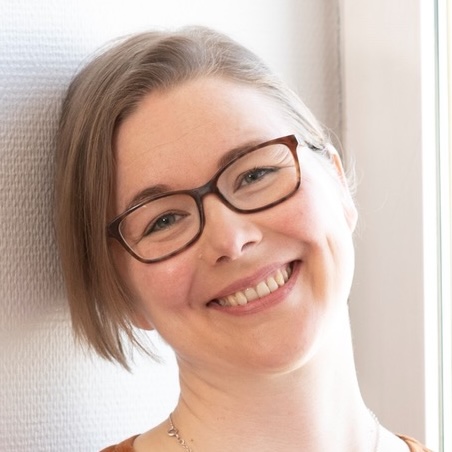
Clinical Neuropsychologist
LENE2 Project
LYSTI Project
Niilo Mäki Institute
I'm a researcher and a clinical neuropsychologist studying school-aged children with learning disabilities. My special interest areas are dyslexia, naming speed deficits, and the comorbidity of learning related problems. My vision is to combine research and clinical work in a manner that produces benefits for both areas: the newest research knowledge for clinical practice and crucial, timely research questions emerging from everyday life for research. In recent years me and my team have been developing research-based, practical assessment methods for reading and reading-related skills.
Prof. Dr. Katrin Hübner (Deutschland/Germany)
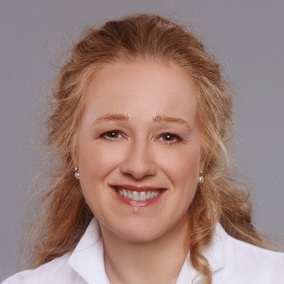
・Professor of Child and Youth Education with a focus on learning therapy, Apollon University of Health Sciences, Bremen
・Certified Integrative Educational Therapist (FiL) with her own practice in Berlin
・Special needs teacher / speech and language therapist in the Berlin school system
・Counselling and assessment teacher at a Berlin SIBUZ
・Subject specialist at BLiQ for dyslexia in primary schools and language inclusion
・Head of the FiL regional group for Berlin/Brandenburg
・Training and professional development officer at dgs-Berlin
Her work and research focus on the support of children and young people with speech and written language acquisition difficulties. Her aim is to integrate extracurricular and school-based support and learning therapy concepts in order to improve the diagnostic and pedagogical-therapeutic conditions for children and young people with specific developmental difficulties in school learning.
Dr Paula Lehane
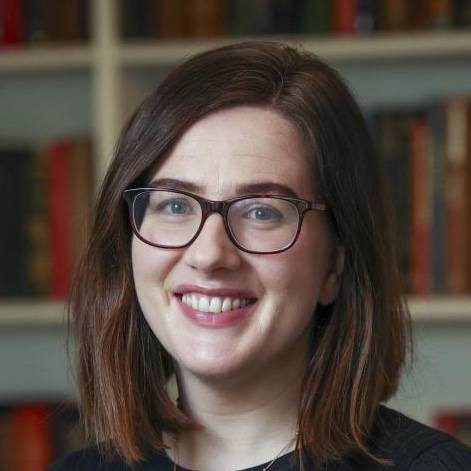
Dr Paula Lehane is an Assistant Professor in the School of Inclusive and Special Education at Dublin City University. She is Programme Chair of the Masters of Education in Specific Learning Difficulties (Dyslexia) and lectures in the areas of assessment, dyslexia, inclusive pedagogy and research methods. Her teaching has been recognised through both institutional and national awards, including the 2025 DCU President’s Award for Teaching.
Dr. Martin Schöfl (Österreich/Austria)
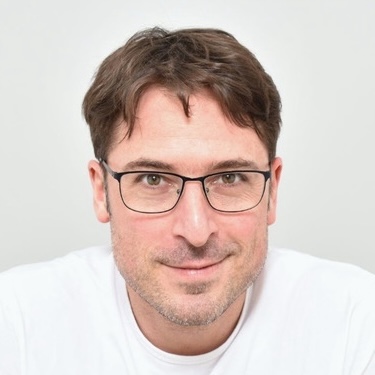
Mag. Dr. Martin Schöfl forscht und lehrt an der Pädagogischen Hochschule OÖ zum Thema Schriftspracherwerb und Lernstörungen bei Kindern sowie am Dyslexie Lab der JKU Linz im Bereich Erwachsener mit Dyslexie. Er ist Vorstandsmitglied des BALDT Österreich.
Mag. Dr. Martin Schöfl is researcher and teacher at the University of Upper Austria on the acquisition of written language and learning disorders in children, as well as at the Dyslexia Lab at the Johannes Kepler University Linz, focusing on adults with dyslexia. He is a board member of BALDT Austria.
Jurgen Tijms, PhD (Niederlande/Netherlands)
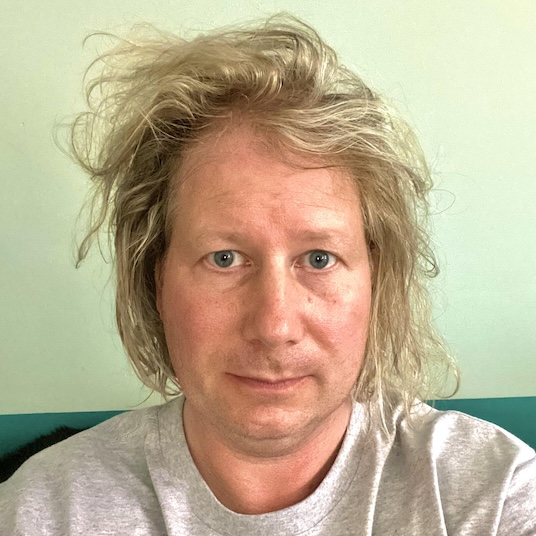
Academische Werkplaats Rudolf Berlin Center,
Academic collaborative center for learning disabilities
University of Amsterdam | RID
Nieuwe Achtergracht 129
1018WS Amsterdam, NL